
What is a CHEK Practitioner?
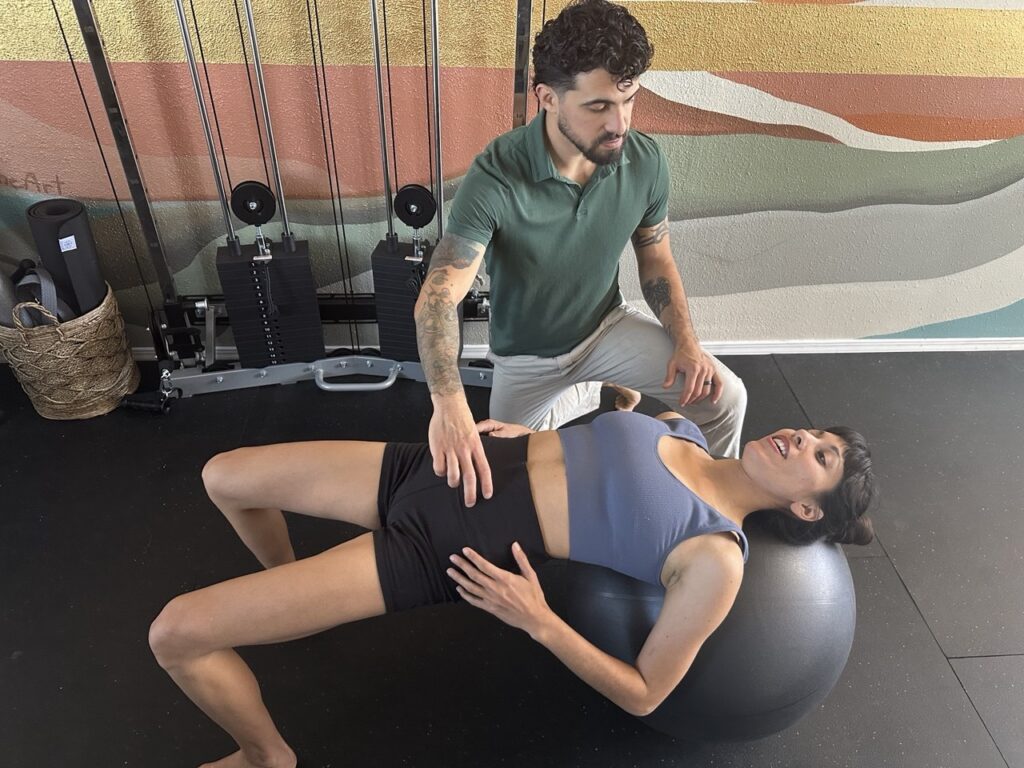
Introduction to CHEK Practitioners
CHEK Practitioners are health professionals who work from a holistic perspective, using the principles of the CHEK system (Corrective Holistic Exercise Kinesiology). This approach, developed by Paul Chek, is centered on identifying root causes rather than simply managing symptoms. It recognizes the close relationship between the body, lifestyle, and internal stress load, and how these factors influence overall health.
CHEK Practitioners draw from multiple disciplines, including functional and corrective exercise, nutrition, stress regulation, and lifestyle guidance, to support a more complete and integrated approach to care.
Role and Responsibilities of a CHEK Practitioner
A CHEK Practitioner’s role is to evaluate how a client’s body is functioning as a whole and to identify areas of imbalance or compensation. This includes assessing physical movement patterns, posture, and joint function, as well as considering mental and emotional stressors that may affect recovery and performance.
Using assessment tools such as postural analysis, range-of-motion testing, and orthopedic screening, CHEK Practitioners gain a clear understanding of how the body is adapting. From this information, individualized programs are created to address contributing factors beneath the surface, rather than focusing only on symptom relief. Support may also include guidance around sleep quality, stress management, and functional movement strategies.
Training and Certification for CHEK Practitioners
Becoming a CHEK Practitioner involves in-depth training through the CHEK Institute, with education progressing through multiple levels. These programs cover topics such as anatomy and physiology, functional movement, assessment methodology, and advanced program design.
Certification requires the completion of coursework, hands-on practical assessments, and written examinations. This process ensures CHEK Practitioners have a strong foundation in the CHEK system and the ability to apply its principles safely and effectively.
Benefits of Working with a CHEK Practitioner
Working with a CHEK Practitioner offers a highly individualized approach to health and performance. Because each client is viewed as a unique system, recommendations are tailored to their specific needs, goals, and current capacity. This allows for more sustainable results and meaningful long-term progress.
Another benefit is the integrative perspective CHEK Practitioners bring to care. They understand that physical symptoms are often influenced by multiple factors, and that addressing movement, recovery, nutrition, and stress together can lead to broader improvements in well-being.
By focusing on underlying causes instead of isolated symptoms, CHEK Practitioners help clients build resilience, reduce recurring issues, and improve overall function, energy, and quality of life.
Conclusion
CHEK Practitioners play an important role in supporting long-term health by helping individuals better understand how their bodies respond to daily demands and stressors. Through comprehensive assessment and a whole-person approach, they guide clients toward more balanced and sustainable outcomes.
By integrating movement, lifestyle, and recovery principles, CHEK Practitioners support meaningful change that extends beyond short-term relief. Whether the goal is managing chronic discomfort, improving physical performance, or enhancing overall vitality, working with a CHEK Practitioner can be a valuable step forward.
Rivera Integrative Design

1210 Luisa Street,
Suite #9 Santa Fe,
NM 87505

Monday–Friday
10am–6pm
(5pm on Mon,Thu)